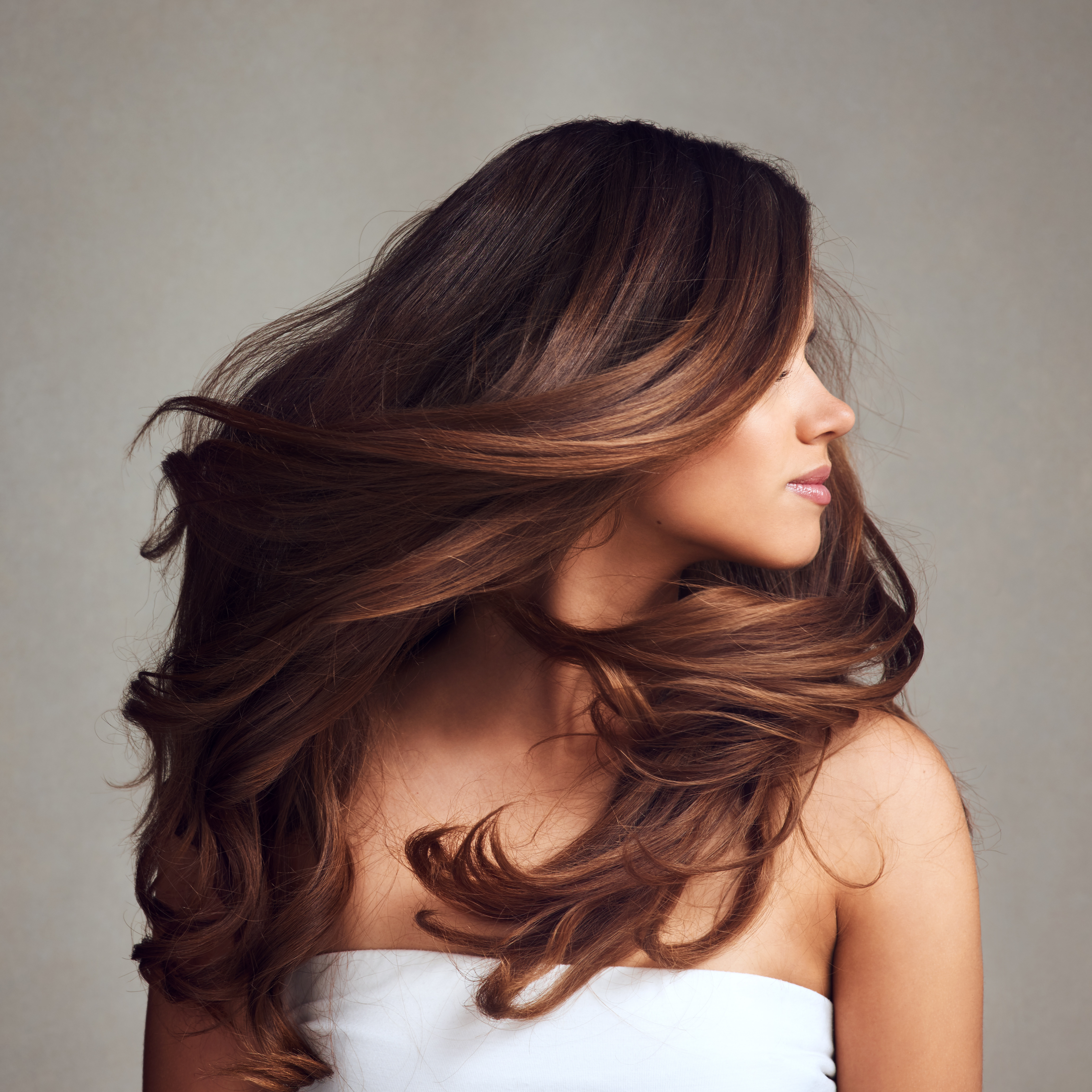
Switching to a plant-based hair care routine doesn't require overhauling everything at once. The most effective approach is building a simple, consistent routine around a few high-quality botanical oils — and then letting time do the work.
Why Plant-Based Hair Care Works
Conventional hair care products often rely on silicones, sulfates, and synthetic polymers that create the appearance of healthy hair without actually improving it. Silicones coat the hair shaft and block moisture. Sulfates strip natural oils along with buildup. Over time, these ingredients can weaken the hair and disrupt the scalp's natural balance.
Plant-based oils work differently. They contain fatty acids, vitamins, and active compounds that the hair and scalp can actually absorb and use. The results are slower to appear but more sustainable — and they improve the underlying health of your hair rather than masking issues.
Building Your Routine: The Core Principles
A plant-based hair care routine is built around three core actions: scalp nourishment, strand conditioning, and protective application. You don't need many products — you need the right ones, used consistently.
Step 1: Scalp Oil Treatment (2–3x per week)
The scalp is where hair growth begins, and it's the most important area to care for. Apply a lightweight oil directly to the scalp using your fingertips or a dropper. Massage in circular motions for 3–5 minutes to stimulate blood flow.
The best scalp oils are light enough to absorb without clogging follicles:
- Plantovika Rosemary Hair Oil — a ready-to-use blend enriched with jojoba, castor, argan, lavender, and peppermint oils. No dilution needed. Apply directly to the scalp for circulation-stimulating, growth-supporting care in one step.
Leave the scalp oil on for at least 30 minutes before washing, or apply before bed and wash in the morning. Overnight treatments deliver more intensive results.
Step 2: Weekly Deep Conditioning Treatment
Once a week, give your hair a more intensive treatment from root to tip. This is where richer, heavier oils like batana or castor oil shine.
- Batana Oil — deeply nourishing, restores shine and moisture to dry or damaged hair
- Castor Oil — thickens and strengthens, especially effective for ends and dry scalp
- Batana Paste — an intensive treatment ideal for thick, curly, or highly damaged hair
Apply generously from roots to ends, cover with a shower cap, and leave on for 30–60 minutes. Wash out with a gentle, sulfate-free shampoo.
Step 3: Scalp Care and Cleansing
The frequency of washing depends on your scalp type. Over-washing strips natural oils and can lead to overproduction of sebum. Under-washing allows buildup that can block follicles.
- Oily scalp: Wash every 2–3 days
- Normal scalp: Wash 2–3 times per week
- Dry scalp: Wash once or twice a week, focusing oil treatments on the scalp
For scalp issues like dandruff or itchiness, adding a small amount of diluted neem oil or tea tree essential oil to your scalp treatment can help maintain a healthy, balanced scalp.
Step 4: Hydration and Moisture Retention
Dry hair is prone to breakage, which limits growth. Keep hair hydrated between washes with a lightweight mist:
- Aloe Vera Spray — a pure aloe mist that refreshes and hydrates without weighing hair down. Use on damp or dry hair throughout the day.
- Aloe Vera Gel — for more intensive hydration or as a styling base for curly hair
Sample Weekly Routine
- Monday: Scalp massage with rosemary hair oil. Leave on overnight.
- Tuesday: Wash hair. Apply aloe vera spray to damp hair.
- Wednesday: Scalp massage with rosemary hair oil (leave on 30–60 min, then rinse or leave in).
- Thursday: Rest day. Mist with aloe vera spray if hair feels dry.
- Friday: Deep conditioning treatment with batana or castor oil. Leave on 30–60 minutes.
- Saturday: Wash hair. Style as usual.
- Sunday: Scalp massage with rosemary hair oil.
Turn Your Routine Into a Ritual
A natural hair care routine doesn't have to feel like a chore. The oils in your routine — lavender, peppermint, eucalyptus — double as aromatherapy and spa tools. Add a few drops of lavender or frankincense essential oil to a diffuser while doing your scalp massage to create a calming, spa-like atmosphere. The act of massaging warm oil into your scalp is itself a stress-relieving practice that benefits both your hair and your nervous system.
For DIY blends, room sprays, and massage oil recipes using Plantovika essential oils, see our guide: Essential Oil DIY Recipes: Diffuser Blends, Massage Oils & More.
What to Expect
In the first few weeks, your scalp may go through an adjustment period — especially if you've been using conventional products with silicones or sulfates. Hair may feel different as it adapts to a more natural routine. By 4–6 weeks, most people notice their scalp feels healthier and hair more manageable. Visible growth improvements typically appear at 3–6 months.
The key is consistency. Natural hair care is a long-term investment in the health of your hair — not a quick fix.
Build your natural hair care routine with Plantovika botanical oils: